The Software Institute team at Nanjing University has advanced automated formal proof for foundational software systems through neuro-symbolic proof generation, achieving progress on seL4 theorem proving and distributed-protocol safety proofs.
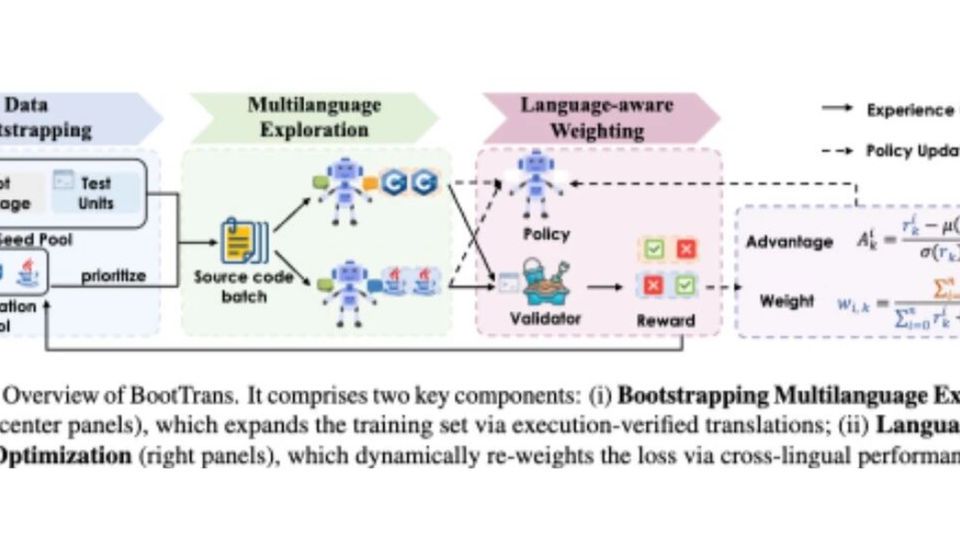
The Large Model Center at the School of Computer Science, Nanjing University has 9 papers accepted by ACL 2026, including 5 ACL Main papers and 4 Findings of ACL papers, covering code translation, sentence embeddings, multilingual LLMs, proactive interactive reasoning, machine translation, and reasoning-model interpretability.
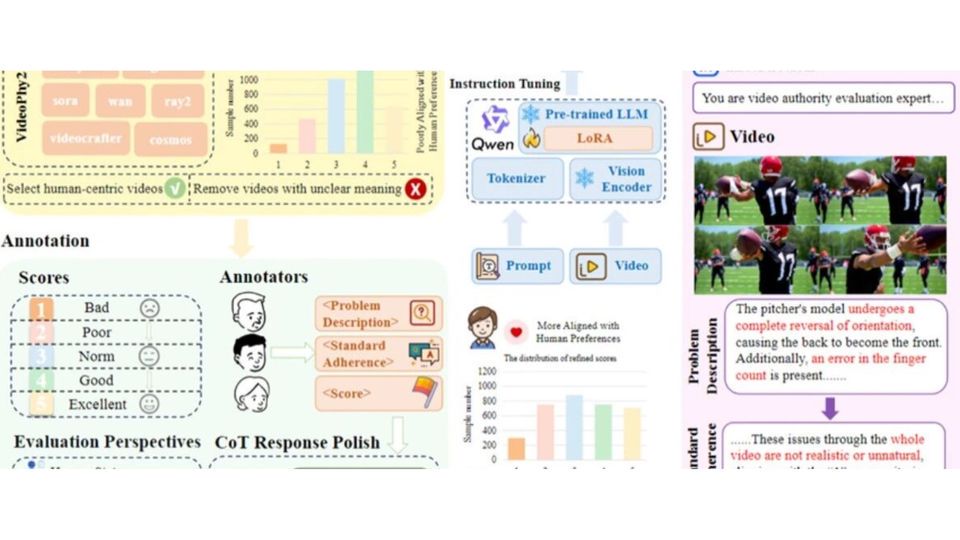
The Large Model Center at the School of Computer Science, Nanjing University has 12 papers accepted by CVPR 2026, covering generated video realism evaluation, video temporal grounding, audio-video generation, video pretraining, diffusion models, robot learning, multimodal reasoning, and visual recognition.
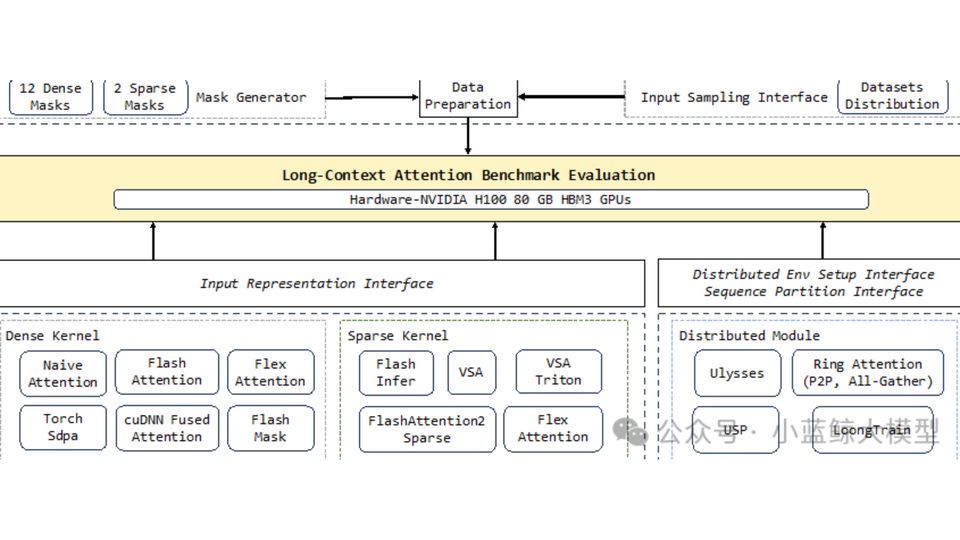
Eleven papers from the Large Model Innovation Center at Nanjing University’s School of Computer Science were accepted at ICLR 2026, covering long-context attention, protein-ligand docking, pixel-space diffusion, video understanding, generative video interpolation, visual tokenizers, and reasoning in large language models.
Professor Haipeng Dai's team at Nanjing University proposed SMoE, an expert-substitution mechanism for reducing dynamic-offloading latency when deploying MoE models on memory-constrained edge hardware. The paper was accepted by ISCA 2026.
TrialBench, jointly developed by teams from HKUST (Guangzhou), Nanjing University, Harvard, Stanford, IQVIA, and others, was published in Scientific Data as a multimodal dataset and toolkit for AI-based clinical-trial prediction.
Professor Haipeng Dai of Nanjing University has been elected a Fellow of the Institution of Engineering and Technology, marking an important achievement in the laboratory's development of high-level talent.
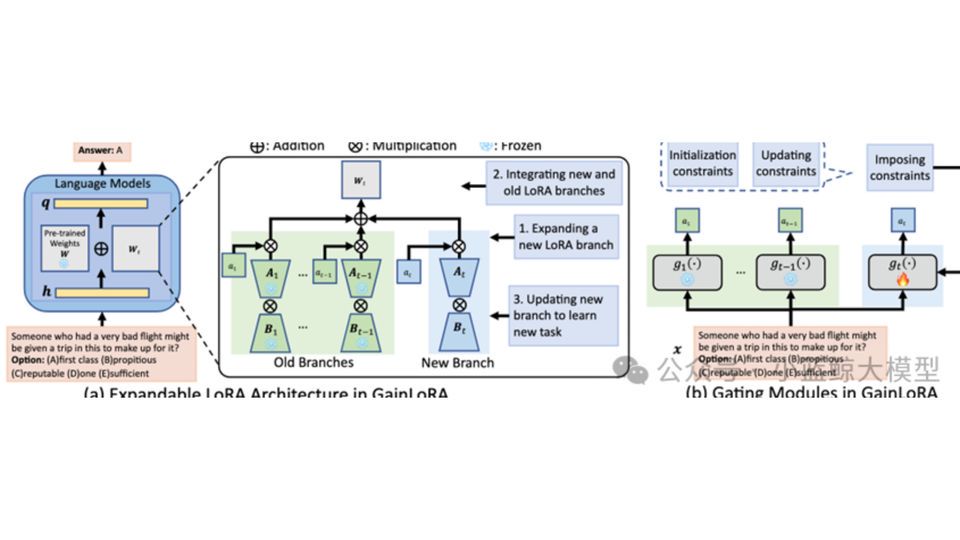
9 papers from the Large Model Center at Nanjing University have been accepted to NeurIPS 2025, covering cutting-edge research in LLM continual learning, video understanding, multimodal reasoning, video generation, and molecular relational learning.
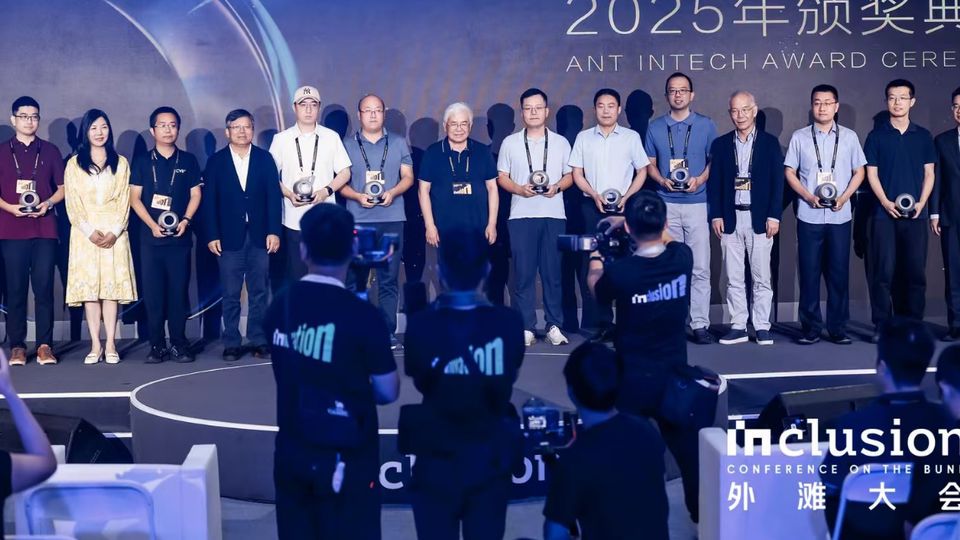
At the 2025 Inclusion Bund Conference, Professor Wang Limin received the 2025 Ant Intech Technology Award.
ICCV is one of the most influential top-tier conferences in computer vision. It is organized by the IEEE Computer Society and held biennially alongside CVPR and ECCV as the three flagship vision venues. ICCV covers cutting-edge topics such as image processing, object detection, 3D reconstruction, video understanding, and vision–language research, serving as a premier platform for presenting the latest advances and exchanging ideas. With its very high acceptance standards, ICCV represents the frontier trends and research hotspots of the field. Seven papers from the Large Model Center of the Department of Computer Science and Technology, Nanjing University, have been accepted to ICCV 2025.